


Dental tourism: follow-up after returning to the United States
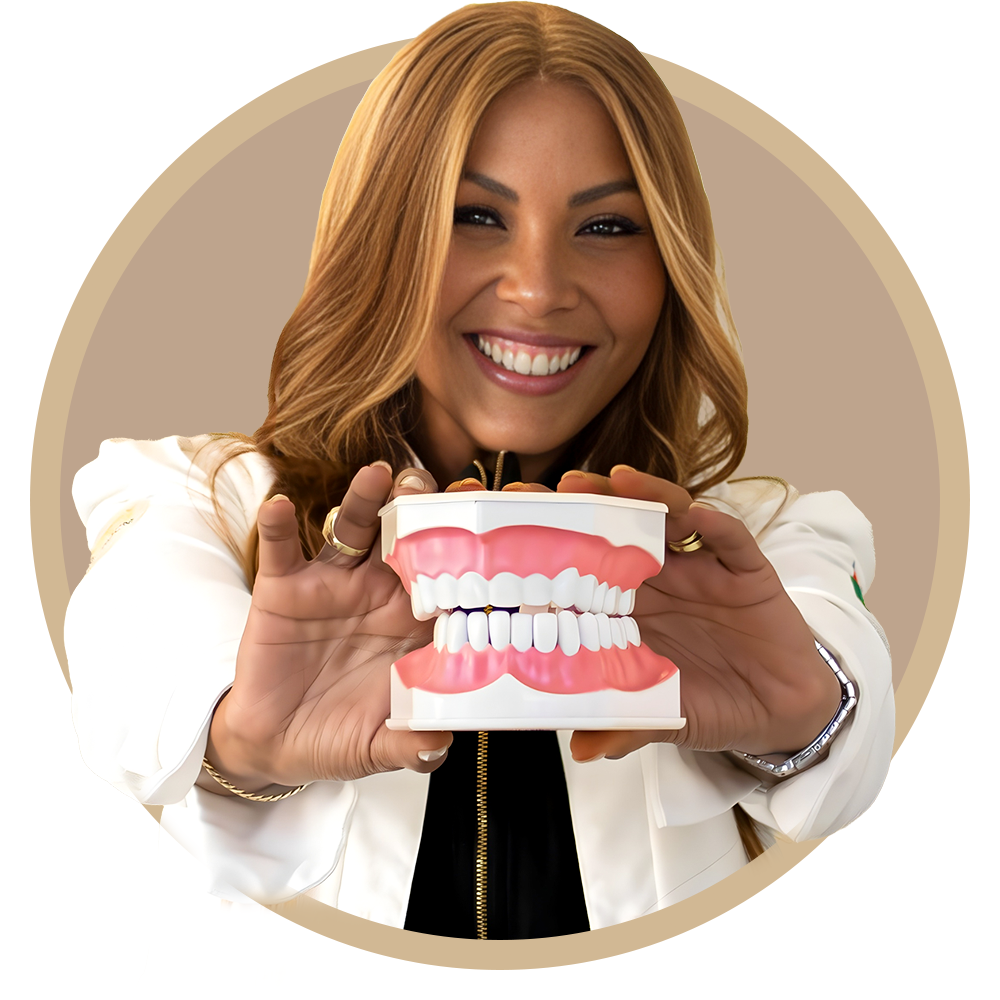
Dental tourism in the Dominican Republic requires thinking beyond the procedure and the trip to Santo Domingo. Good dental tourism follow-up in the United States begins before the flight: define how recovery will be monitored, which documents the patient will carry, and what to do about an unexpected change. This helps the professional who evaluates the patient afterward better understand what was done.
Continuity does not mean everyone needs the same checkups or that every checkup can be performed remotely. The plan depends on the procedure, tissue response, and each patient's health.

Treatment does not end when you return home
A restoration, surgery, or implant may require clinical observation after the trip. Even if the patient feels well, there may still be pending stages, hygiene instructions, or aspects that need to be checked in person. The absence of pain does not confirm on its own that the entire process has concluded.
The CDC, in its medical tourism guide, recommends discussing the management of possible complications before traveling and requesting records of the treatment performed abroad. That coordination reduces information gaps upon returning to the United States.
What to coordinate before traveling to the Dominican Republic
Before leaving, report your medical and dental history, allergies, surgeries, and current medications. The American Dental Association (ADA) explains that a complete history can reveal factors that influence clinical decisions. Do not stop or change medications yourself; any adjustment must be prescribed by the appropriate professional.
It is also worth agreeing in writing on:
What procedure is proposed and what its stages are.
Which part of treatment will be temporary and which will be final.
Which checkups are recommended for your case and which require a physical examination.
Which channel to use to communicate symptoms, send documents, or ask questions.
What to do and where to seek local care if an urgent problem arises in the United States.
A video call can provide guidance and help determine the next step, but it does not allow tissues to be palpated, mobility to be checked, or every clinical test to be performed.
The clinical record that should travel with you
Ask for a legible, portable copy of the relevant information before returning. When possible, request a summary in English to share in the United States. The ADA includes health histories, treatment and progress notes, diagnostic records, images, prescriptions, and postoperative instructions among the usual components of a clinical record.
Your folder may include:
Diagnosis, accepted plan, and procedures performed, with dates and teeth treated.
Relevant X-rays, scans, and photographs, in their original format when available.
Materials or devices used and the care instructions provided.
Prescriptions, aftercare instructions, and the clinic's contact details.
Observed complications, changes to the plan, and pending stages.
If you received implants, the FDA recommends keeping the system's brand and model. That identification may help if another dentist needs to assess components. Keep an accessible copy and a backup.
Responsibilities after returning
The patient should follow individualized instructions, maintain careful hygiene, attend the recommended checkups, and report relevant changes. The patient should also provide a complete history to the professional caring for them in the United States, including the trip and the care received in the Dominican Republic.
Ask the treating clinic for the relevant clinical information and an explanation of what was done. The dentist examining you in the United States will make an independent assessment. Sharing documents helps coordination, but it does not replace that assessment or mean the dentist must continue a plan without reviewing it.
Coordinated checkups, not a universal schedule
There is no single follow-up schedule that applies to all treatments. The need and timing of a checkup depend on the procedure, healing, symptoms, general health, and clinical findings. Before traveling, ask which checkup is expected, what its purpose is, and whether it can take place in Santo Domingo or must be coordinated locally.
For implants, the FDA advises following hygiene instructions, maintaining regular dental visits, and reporting immediately if the implant feels loose or painful. A virtual checkup can complement that monitoring, but a question about stability, fit, or infection generally requires an in-person examination.
Warning signs after dental tourism
Do not wait for your next appointment if you have intense or increasing pain; swelling that is new, increasing, or beyond what was expected according to the instructions you received; fever; a persistent bad taste; discharge; a loose restoration or implant; a significant change in your bite; bleeding that cannot be controlled; or new numbness.
Information from the ADA's MouthHealthyidentifies pain, swelling, redness, bad taste, and fever among the signs of an abscess. The ADA considers uncontrolled bleeding and diffuse swelling that could compromise the airway to be emergencies. If there is difficulty breathing or swallowing, swelling spreading toward the face or neck, or a life-threatening situation, go to an emergency department in the United States. Inform the treating clinic, but do not delay local care while waiting for a response.
Frequently asked questions
Can I have all follow-up by video call?
Not always. A virtual consultation can provide guidance, review visible symptoms, and organize documents, but it does not replace tests or a physical examination when they are necessary. The professional must decide which format is appropriate for each situation.
What should I give a dentist in the United States?
Share the treatment summary, dates, teeth treated, X-rays or scans, identifiable materials or devices, prescriptions, instructions, and any complications. Add your updated medical history and all medications you use.
Whom do I contact if a problem arises after returning?
In an urgent situation, first seek local in-person care or emergency services according to severity. Also contact the Santo Domingo clinic to report what happened and request useful records. Coordination is valuable, but it should not delay a necessary evaluation.
Plan continuity of dental care before your trip
To organize the preliminary stage, you can also consult our guide to dental treatment abroad: what to know before traveling.
If you are considering treatment in Santo Domingo, you can request a virtual consultation to guide preparation, review the available information, and discuss planned continuity of care. This guidance does not replace a physical evaluation, does not confirm a diagnosis on its own, and is not an emergency service.
For an in-person assessment with Dr. Sabrinsky Flores, visit Dental Evaluation. Bring your history, studies, and current medication list to receive an individualized recommendation.


Comments