


🦷 Do you have this stuck to your teeth? Tartar is not just unsightly… it can also make you lose teeth
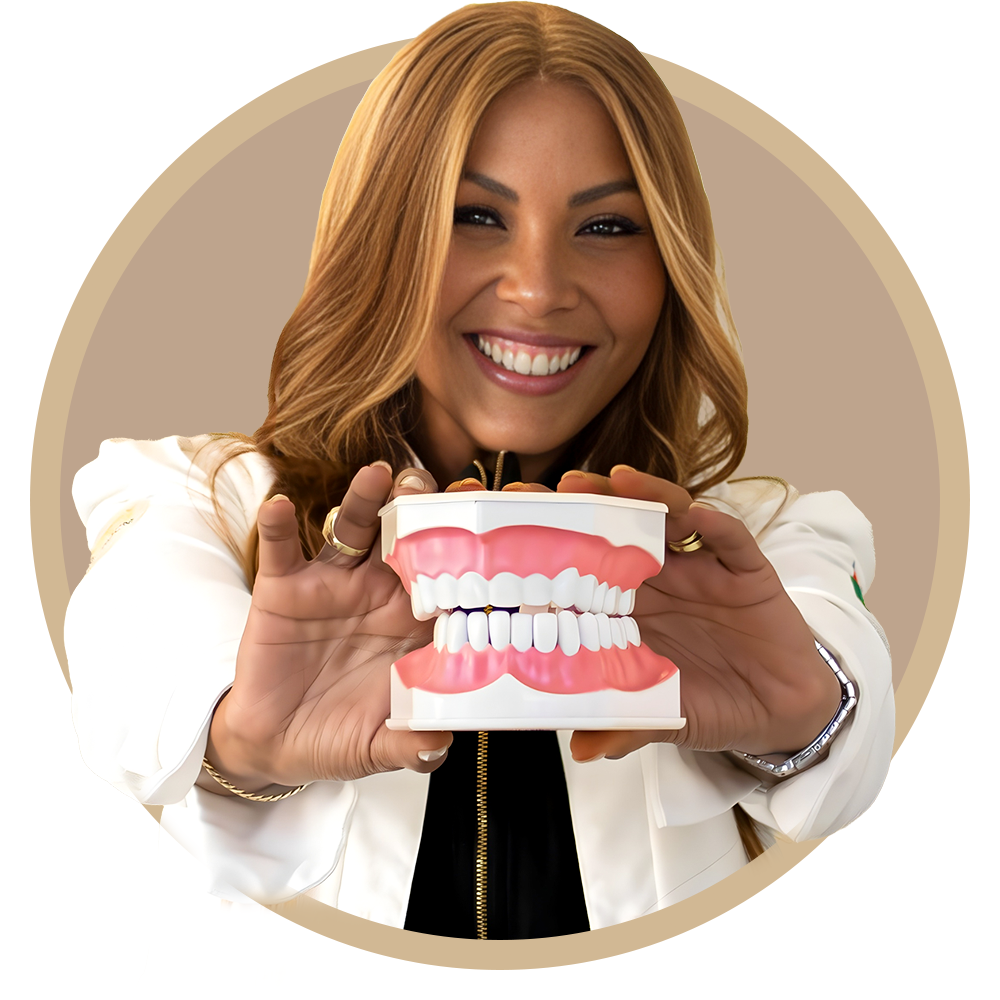
By Dr. Sabrinsky Flores

I hear it every day:
—“Doctor, what I have stuck to my teeth is just a little stain, right?”
—“That will come off with brushing… I think.” And the most common:
—“Nothing hurts. Why come in?”
But what many call “a little stain,” “something yellow,” or “buildup on my molars”… is not just tartar, it is a sign that your mouth has been accumulating bacteria for months—or years—without care. And although it does not hurt at first, it can cost you an entire tooth. Or several.
Today I want to speak to you directly, as a dentist, as a woman, and as a person who understands that not everyone enjoys a dental visit. But also as someone who has seen neglect take away the most beautiful smiles.
What really is tartar?
Tartar is hardened bacterial plaque. We all have plaque, but when it is not properly removed through brushing, flossing, and regular cleanings, it calcifies and adheres firmly to the teeth and gums.
Does that feeling of a “yellow or brown crust” between your teeth sound familiar, especially on the molars or behind your lower teeth? That is not stuck food: it is a colony of hardened bacteria living in your mouth.
What tartar is doing without your knowing
Even if you feel no pain, tartar:
Inflames your gums (gingivitis)
Causes persistent bad breath
Darkens your teeth and makes them look dirty
Makes your gums bleed when you brush
Becomes the first step toward bone loss and loose teeth
Destroys the bone supporting your teethAnd yes… it can make you lose healthy teeth if you do not stop it in time.
“But Doctor, I am afraid to go to the dentist…”
I understand. Truly. Many people have had bad experiences, or simply feel anxious just seeing the light in the dental office. That is why at our clinic we perform cleanings carefully and explain each step. Sensitivity and discomfort can vary; we agree with you on measures to manage them according to your case.
No scolding, no judgment. Just care.
And I promise you:A 30-minute cleaning can spare you years of problems.
Why is brushing not enough?
Even if you brush well, tartar cannot be removed at home. Only with professional equipment can we remove it completely. No toothpaste, mouthwash, or floss will remove it once it has hardened. And the longer you leave it, the more firmly it becomes embedded… and the more expensive it will be to reverse its effects.
What if I already have a lot of tartar?
If you already notice:
Red or inflamed gums
Yellowish or stained teeth
Bleeding when flossing
Mild pain or sensitivity when chewing
Daily bad breath… it is time to act.
It is not just about appearance. It is about real health.
The frequency of your cleanings should be tailored to your oral health and professional recommendations.
And if it has been more than a year since you visited the dentist…Do not wait until it hurts.Come for an evaluation: we support you without judgment, listen to your fears, and plan discomfort management according to your needs.
Sources for further reading and comparison
Educational notice: this content provides general information and does not replace an individual dental evaluation. Diagnosis and treatment should be determined after a professional assessment.


Comments