


First visit to the dentist in Santo Domingo: what to bring and what to ask
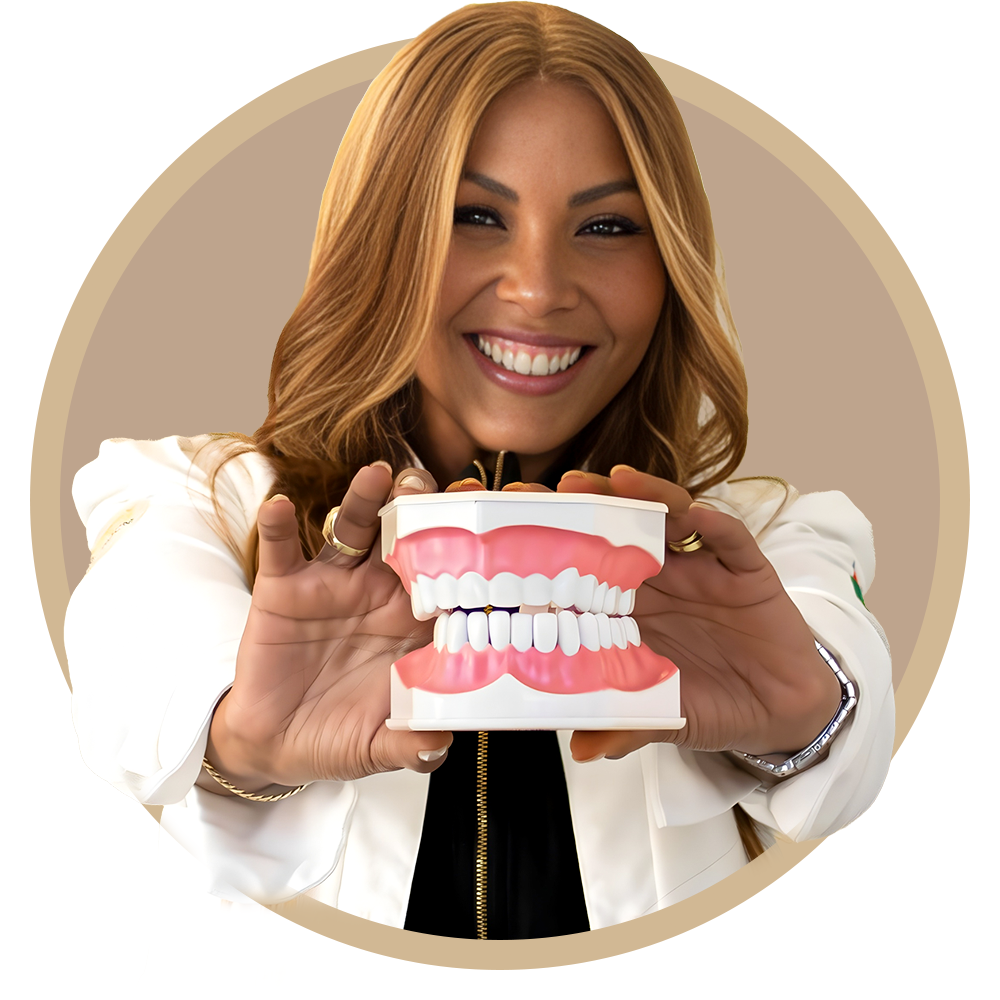
A first visit to the dentist can raise questions even before you book: what documents do I need? Will I receive treatment that day? How will I know how much it will cost? Preparing does not mean arriving with a diagnosis, but with the information you need to have a clear conversation.
At Dr. Sabrinsky Flores's clinic in Los Jardines, Santo Domingo, a dental evaluation is the starting point for understanding your oral health. This guide helps you prepare for your first dental consultation, explain your priorities, and ask about the plan and quote.

Before you leave: prepare useful information
Your health and the medications you take
Bring an up-to-date list of your medications, supplements, allergies, and known medical conditions. Include recent operations and contact details for the professionals treating you, when applicable. If you cannot remember a medication's name, a photo of its packaging may help you identify it.
Do not leave out information because it seems unrelated to your teeth. Your medical history can influence dental decisions and help identify possible interactions. Do not stop or change medications on your own before attending your appointment. The ADA explains the importance of a complete medical and dental history.
Previous studies and treatments
If you have X-rays, reports, or a previous plan, ask how to share them with the clinic. Indicate when they were done and which treatments you completed. You do not need to arrange new studies on your own.
Previous images can provide information, but it is up to the dentist to decide whether they are sufficient or whether additional ones are needed after reviewing your history and examining you. MouthHealthy: when X-rays are needed.
Your details and questions
Have your identification, a contact phone number, and an email address you check available. Confirm beforehand which documents you need to present and how to get there. If you plan to ask about insurance, ask about its terms before assuming there is coverage or acceptance.
Write down three personal priorities. For example: “I want to know what I need to address first,” “I need to arrange visits around my work,” and “I want to understand the full cost.”
What a dental evaluation includes
The first consultation provides an opportunity to review your history, the reason for your visit, and the condition of your teeth and gums. The dentist determines whether you need additional studies to complete the diagnosis. A dental checkup does not necessarily include a cleaning or treatment that day: confirm the scope of the appointment. Questions about dental visits, from the ADA.
If you are worried about the visit, say so when booking. You can ask for each step to be explained and agree on a signal to request a break. Sharing previous experiences helps the team understand your needs. MouthHealthy: how to cope with dental anxiety.
You can also read our guide on how to overcome dental phobia and write down what you would like to discuss before starting.
What to ask about your dental treatment plan
A plan should help you understand what is being proposed and why. You can bring these questions in writing:
What did you find, and how does it relate to what I want to resolve?
What needs attention first, and what can be planned for later?
What alternatives are available for my case?
What benefits, limitations, and risks does each alternative have?
What could happen if I decide to postpone or not have the treatment?
What follow-up visits and care will I need afterward?
Discussing alternatives and risks is part of making an informed decision; it involves more than receiving a list of procedures. The ADA explains the informed consent process.
Evaluation fee and treatment quote
Ask for a breakdown by stage. Distinguish the cost of the dental evaluation and studies from the cost of subsequent treatments. Check what each item includes before deciding.
Ask about the amount for each stage, payment terms, how long the proposal is valid, and how any changes would be communicated. Also confirm whether follow-up visits are included and which items would be excluded. Do not assume that an initial figure covers the entire process.
You can put it simply: “I want to plan ahead: can you explain what I would pay first and what expenses might come later?” The ADA recommends receiving information about fees and payment options before scheduling treatment. MouthHealthy guidance for the dental consultation.
Before the visit ends
Make sure you can explain the next step in your own words. Ask whether any studies are still needed, what you should confirm before another appointment, and which channel you can use to clarify questions.
Keep the plan and quote you receive somewhere easy to consult. If anything was unclear, asking for another explanation is more useful than trying to recall technical terms afterward.
Frequently asked questions
Can I attend even if I have not been to the dentist for years?
Yes. Tell us when your last visit was and what you would like to have checked. You do not need to have all the answers: you can start by explaining what information you remember and which documents you still have.
Do I need X-rays before the first appointment?
Do not arrange them without a recommendation. If you already have studies, ask how to share them. The need for new images is determined according to the evaluation and available information.
Do I have to agree to all the treatment on the same day?
You can ask for the proposal to be explained and have your questions answered before deciding. Ask what is a priority and whether any decisions can wait; not every need has the same urgency.
Schedule your first dental evaluation in Santo Domingo
For your first consultation or a dental checkup with Dr. Sabrinsky Flores, request your dental evaluation. On the page, you can request an appointment through WhatsApp; the team must confirm the date and time.
This guide is informational and does not replace an individual evaluation. If you have difficulty breathing or swallowing, or swelling that spreads across your face or neck, seek urgent care; do not wait for a routine appointment. The ADA identifies swelling that compromises the airway as an emergency.


Comments