


Kissing Alert! Diseases Transmitted Through Saliva (and How to Protect Yourself)
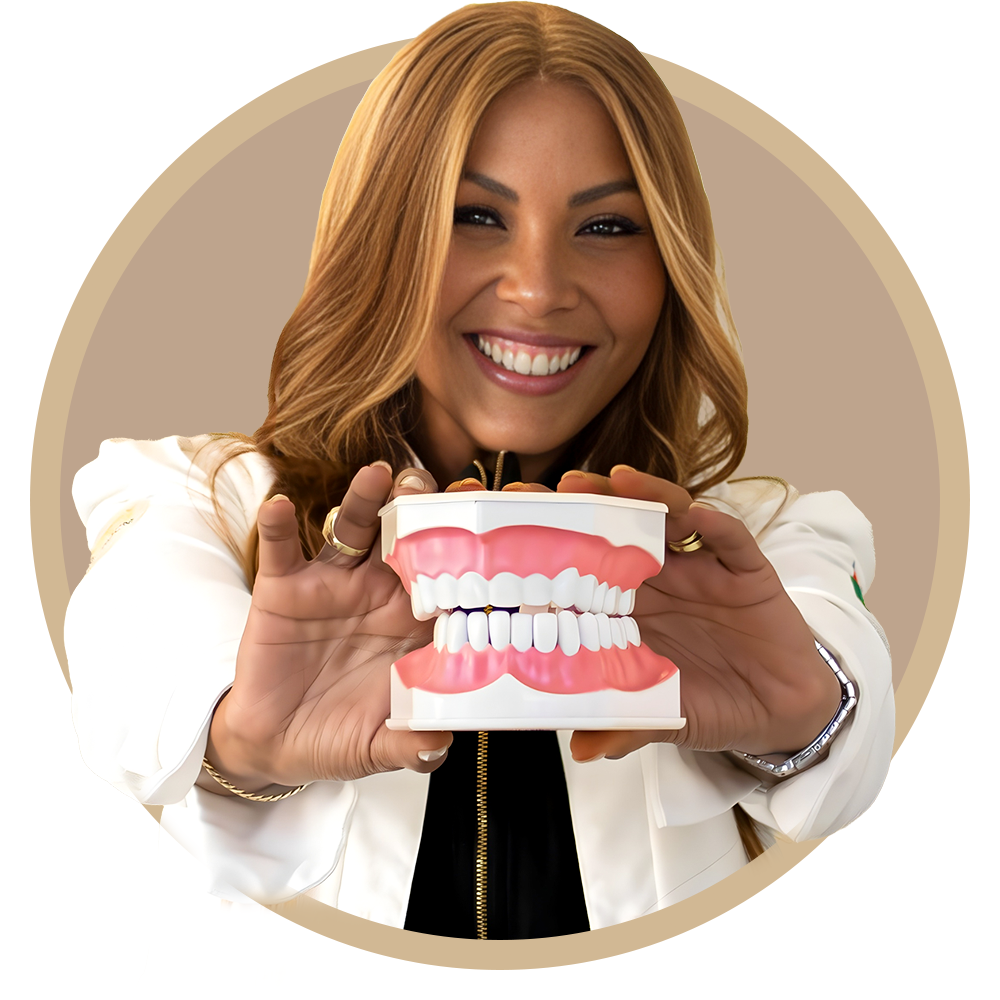

In a world where kisses, shared laughter, and closeness are natural expressions of affection, it is crucial to know that our saliva, though essential to life, can also transmit certain diseases. As a dentist committed to my patients' overall health, I, Dr. Sabrinsky Flores, want to shed light on this important subject, offering clear information and practical tips to protect you and your loved ones.
Saliva, the transparent fluid that moistens our mouth, performs vital functions for our health. It helps us chew, swallow, digest food, and even protect our teeth from cavities. However, it can also harbor microorganisms, including viruses and bacteria, that can be transmitted through direct contact with another person's saliva.
Diseases That Travel in a Kiss
Although not all diseases are transmitted through saliva, some can be a cause for concern. Among the most common are:
Herpes: This virus, which causes painful blisters on the lips or genitals, spreads easily through contact with active lesions. Although oral herpes (type 1) and genital herpes (type 2) were traditionally distinguished, we now know both can affect either area.
Infectious mononucleosis ("kissing disease"): Caused by the Epstein-Barr virus, this disease is characterized by fever, fatigue, sore throat, and swollen lymph nodes. It is transmitted primarily through saliva, hence its nickname.
Cytomegalovirus (CMV): This common virus, which often causes no symptoms, can be transmitted through saliva, blood, urine, and other bodily fluids. Although generally harmless, it can be dangerous for people with weakened immune systems and for babies during pregnancy.
Hepatitis B: Although hepatitis B is primarily transmitted through blood and other bodily fluids, it can also be transmitted in small amounts through saliva.
How Can You Protect Yourself?
The good news is that you can take simple steps to reduce the risk of disease transmission through saliva:
Avoid direct contact with active lesions: If you or someone close to you has sores or blisters in the mouth, avoid kissing and direct contact with saliva until the lesions have healed completely.
Do not share utensils: Glasses, cutlery, toothbrushes, and other objects that come into contact with saliva can be vehicles for transmission.
Maintain good oral hygiene: Brushing twice a day, flossing, and regularly visiting your dentist in Santo Domingo are essential habits for keeping your mouth healthy and reducing the load of microorganisms in your saliva.
Get vaccinated: Vaccines are available to prevent some diseases transmitted through saliva, such as hepatitis B. Consult your doctor about the vaccines recommended for you.
The Importance of Oral Health
Maintaining good oral health protects you from cavities and gum disease and can also reduce the risk of disease transmission through saliva. A healthy mouth has fewer bacteria and viruses, reducing the likelihood of transmission.
Looking for the Best Dentist in Santo Domingo?
If you are looking for a dentist committed to your oral health and overall well-being, look no further! At Dr. Sabrinsky Flores Dental Clinic, we offer a wide range of high-quality dental services, from cleanings and fillings to implants and orthodontics.
Our team of highly trained professionals will provide personalized care and help keep your smile radiant and healthy. Schedule your appointment today and discover why we are the highest-rated dental clinic in the Dominican Republic!
Saliva, though essential to life, can also transmit certain diseases. Knowing the risks and taking simple precautions can make a difference to your health and that of your loved ones. Remember, a kiss can be wonderful, but it can also remind us of the importance of caring for our oral health!
Educational notice: this content provides general information and does not replace an individual dental evaluation. Diagnosis and treatment must be determined after a professional assessment.


Comments