


Teeth Whitening: Everything You Need to Know to Achieve a Radiant Smile
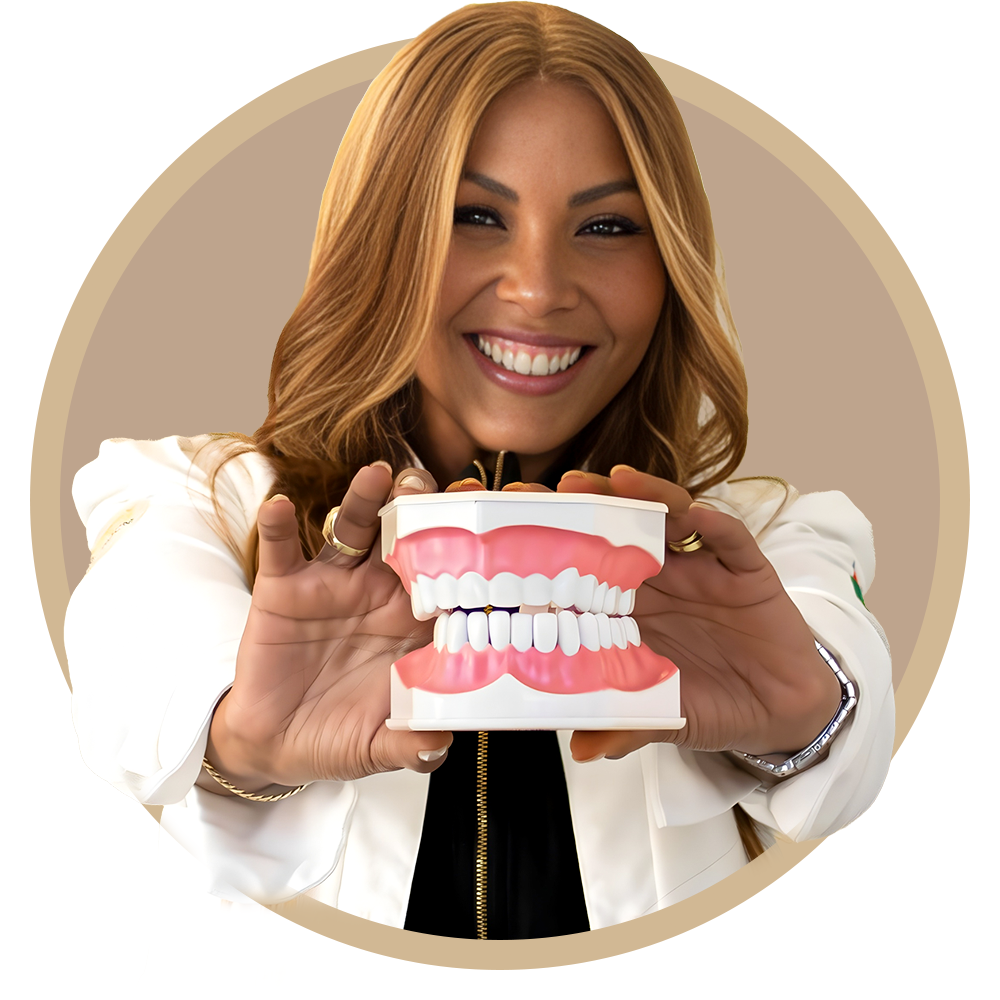

Teeth whitening aims to lighten tooth color for cosmetic reasons and requires an assessment of oral health beforehand. However, teeth tend to lose their natural shine because of factors such as food and drink consumption and aging. In this article, we will explore the different types of teeth whitening, their benefits, risks, and tips for maintaining results in depth. As Dr. Sabrinsky Flores, a dentist in Santo Domingo and a recognized dental professional in the Dominican Republic, I will provide clear, professional information to help you make an informed decision.
What Is Teeth Whitening?
Teeth whitening is a procedure that uses chemical agents, usually hydrogen peroxide or carbamide peroxide, to remove stains and discoloration in enamel and dentin, restoring a lighter shade to the teeth.
Types of Stains
Extrinsic: Caused by foods, drinks such as coffee and red wine, and tobacco.
Intrinsic: Associated with trauma, medications, or aging.
Types of Teeth Whitening
In-Office
This professional procedure offers fast, safe results under a dentist's supervision.
Advantages:
Immediate results.
Use of higher concentrations of whitening agents.
Professional supervision to prevent damage.
Process:
Application of a protective gel for the gums.
Use of LED light to enhance the whitening gel's effect.
At Home with Supervision
The dentist provides custom trays and moderate-strength gels for use at home.
Advantages:
Convenience.
Gradual, personalized results.
Over-the-Counter Products
These include whitening strips, toothpastes, and mouthwashes available at pharmacies.
Disadvantages:
Less effective results.
Greater risk of sensitivity if used incorrectly.
Benefits of Teeth Whitening
Improved Appearance: A whiter smile increases confidence and improves overall appearance.
Fast Results: Especially with in-office treatments.
Noninvasive: Does not require structural alterations to the teeth.
Risks and Considerations
Tooth Sensitivity
This is the most common side effect and is generally temporary. It occurs when the whitening agent penetrates the enamel and reaches the dentin.
Gum Irritation
This can occur if the gel remains in prolonged contact with the gums.
Not Suitable for Everyone
Pregnant or breastfeeding women.
People with active cavities or periodontal disease.
Tips for Maintaining a White Smile
Avoid Dark Foods and Drinks: Such as coffee, tea, and red wine.
Good Oral Hygiene: Brush twice a day and floss.
Regular Dental Visits: Have professional cleanings every six months.
Use Recommended Products: Consult your dentist to choose suitable toothpastes and mouthwashes.
Learn about the clinic's teeth whitening options and request an evaluation in Santo Domingo to review your oral health, potential results, and necessary care.
Educational notice: this content provides general information and does not replace an individual dental evaluation. Diagnosis and treatment should be determined after a professional assessment.


Comments