


The Impact of ADHD on Dental Health: A Reflection from Dr. Sabrinsky Flores's Healthcare Team
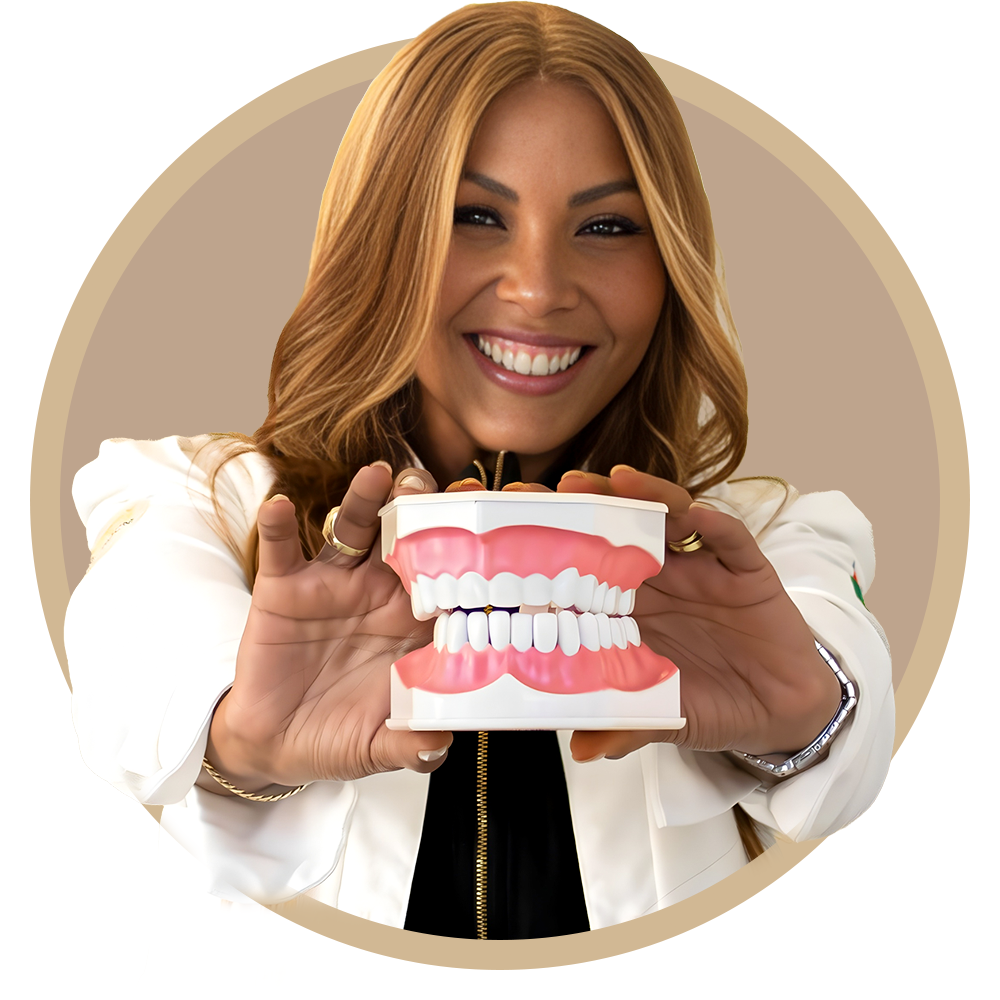

The recent publication in The British Journal of Psychiatry about reduced life expectancy in people with ADHD raises troubling realities and urgent concerns. This study, which analyzed data from more than 30,000 people in the United Kingdom, indicates that both men and women diagnosed with ADHD live between four and eleven years less on average. These individuals also face a greater risk of mental disorders, physical illnesses, and significant dental problems. As a healthcare team committed to comprehensive well-being, we want to reflect on this issue and emphasize the importance of a proactive approach to treating and managing ADHD, especially in oral health.
ADHD and Its Relationship with Dental Health
Attention Deficit Hyperactivity Disorder (ADHD) is a neurodevelopmental disorder that affects executive function and self-regulation. This imbalance in neurotransmitters, especially dopamine, translates into difficulties planning, concentrating, and controlling impulses. These characteristics can also directly influence dental care, leading to problems such as:
Cavities and periodontal disease: Lack of attention to daily brushing and irregular flossing are common in people with ADHD.
Bruxism: The hyperactivity and stress associated with ADHD can trigger teeth grinding, causing tooth wear and jaw pain.
Unbalanced diets: Frequent consumption of sugary or unhealthy foods increases the risk of cavities.
Difficulties with dental visits: Anxiety or lack of concentration can make dental appointments more complicated and less frequent.
Factors Affecting Oral Health
Researchers identified several factors that could explain the relationship between ADHD and dental problems, including:
Lack of established routines: People with ADHD may forget or neglect daily dental care.
Impulsive eating: Consuming sugary snacks or carbonated drinks is more common in this group.
Stress and anxiety: These factors not only affect mental health, but can also lead to problems such as bruxism and dental deterioration.
Difficulty following instructions: Adhering to dental treatments or recommendations can be more challenging.
Addressing the Problem: Prevention and Comprehensive Treatment
ADHD treatment should include a comprehensive approach that also addresses dental health. This involves:
Establishing clear routines: Creating regular schedules for toothbrushing and flossing can help develop healthy habits.
Using supportive tools: Timers, electric toothbrushes, and reminders can make dental care easier.
Frequent dental visits: Regular consultations with professionals who understand the needs of people with ADHD are essential.
Education and motivation: Healthcare professionals should work with patients to explain the risks and the importance of oral care.
Multidisciplinary therapies: A team including dentists, psychologists, and physicians can address the behavioral challenges affecting oral health.
ADHD should not be seen solely as a childhood condition, but as a disorder affecting multiple areas of life, including oral health. As a healthcare team, we call on professionals, families, and society at large to promote greater awareness of this condition and work together to develop effective treatment and prevention strategies.
With the right support, people with ADHD can maintain optimal oral health, improving their quality of life and reducing risks associated with dental and general health problems.
Educational notice: this content provides general information and does not replace an individual dental evaluation. Diagnosis and treatment should be determined after a professional assessment.


Comments