


How Tobacco Affects Your Teeth: Tips to Avoid Stains and Maintain a Bright Smile
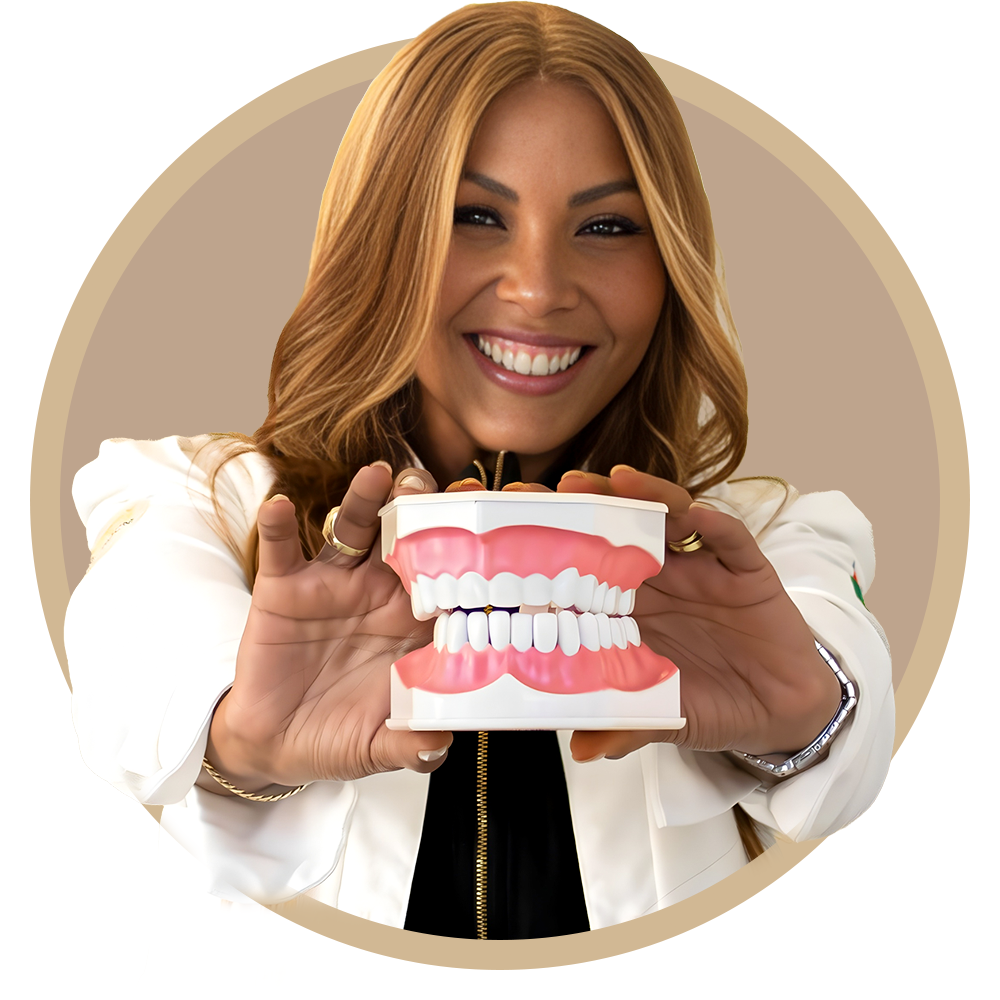

Tobacco use, whether cigarettes, cigars, or even chewing tobacco, has devastating effects on dental health. Besides the known risks to overall health, tobacco can stain your teeth irreversibly. In this article, we will explore how tobacco affects your teeth and offer practical tips for maintaining a bright smile. Don't miss these vital tips!
The Impact of Tobacco on Your Teeth
Smoking and chewing tobacco harm overall health and also significantly affect oral health. Here is how:
Persistent Tooth Stains: Nicotine and tar in tobacco stain your teeth, creating brown or black marks that are difficult to remove. This effect is more pronounced where tobacco directly contacts teeth, especially if you bite the cigar or cigarette.
Gum Damage: Tobacco use reduces blood flow to the gums, which can cause periodontal disease. Gums recede, leaving more tooth surface exposed and vulnerable to stains and cavities.
Dry Mouth: Tobacco reduces saliva production, causing dry mouth. Saliva is crucial for keeping the mouth clean, and its absence encourages plaque buildup and stain formation.
Tips to Avoid Tooth Stains
If you use tobacco, taking additional steps to protect your teeth is essential. Here are some practical tips:
Avoid Biting Tobacco: If you smoke cigars or cigarettes, avoid biting them. Biting tobacco can put heat and nicotine in direct contact with your teeth, accelerating staining.
Regular Brushing: Brush your teeth at least twice a day with whitening toothpaste. Regular brushing helps reduce stain buildup and keep your teeth clean.
Flossing and Mouthwash: Floss daily to remove plaque between teeth and use an antiseptic mouthwash to reduce bacteria in the mouth.
Dental Visits: Schedule professional cleanings with your dentist at least twice a year. Dentists can remove stains that regular brushing cannot and give you personalized advice on tooth care.
Proper Hydration: Keep your mouth hydrated by drinking plenty of water. Hydration helps stimulate saliva production and keep your mouth clean.
Alternatives and Lifestyle Changes
To truly protect your teeth, consider reducing or eliminating tobacco use. Here are some alternatives and lifestyle changes that may help:
Nicotine Replacement Products: Use nicotine patches, gum, or inhalers to gradually reduce tobacco dependence.
Tobacco Cessation Programs: Join smoking cessation support programs. Many organizations offer free resources and support to help you through the process.
Healthy Habits: Adopt healthier lifestyle habits, such as a balanced diet and regular exercise, to improve overall health and reduce the urge to use tobacco.
Conclusion
Tobacco use can severely affect dental health, causing stains that are difficult to remove and increasing the risk of oral diseases. However, with good oral hygiene and lifestyle changes, you can minimize these effects and maintain a healthy smile. Avoid biting tobacco, maintain a rigorous dental care routine, and visit your dentist regularly to ensure your teeth remain in the best possible condition.
Remember, quitting tobacco will improve your oral health and also benefit overall health. Make your smile a priority and take action today!
Dentist Santo Domingo
Dental practitioner Santo Domingo
Dental clinic Santo Domingo
Dental cleaning Santo Domingo
Teeth whitening Santo Domingo
Dental implants Santo Domingo
Orthodontics Santo Domingo
Cosmetic dentistry Santo Domingo
Dental emergency Santo Domingo
Affordable dentist Santo Domingo
Dentist near me Santo Domingo
Best dentist Santo Domingo
Dentist reviews Santo Domingo
24-hour dentist Santo Domingo
Children's dentist Santo Domingo
Dental surgery Santo Domingo
Dental X-ray Santo Domingo
Dental prostheses Santo Domingo
Preventive dentistry Santo Domingo
Dentist for international patients Santo Domingo
Educational notice: this content provides general information and does not replace an individual dental evaluation. Diagnosis and treatment must be determined after a professional assessment.


Comments