


5 signs you need to see the dentist (even if you feel no pain)
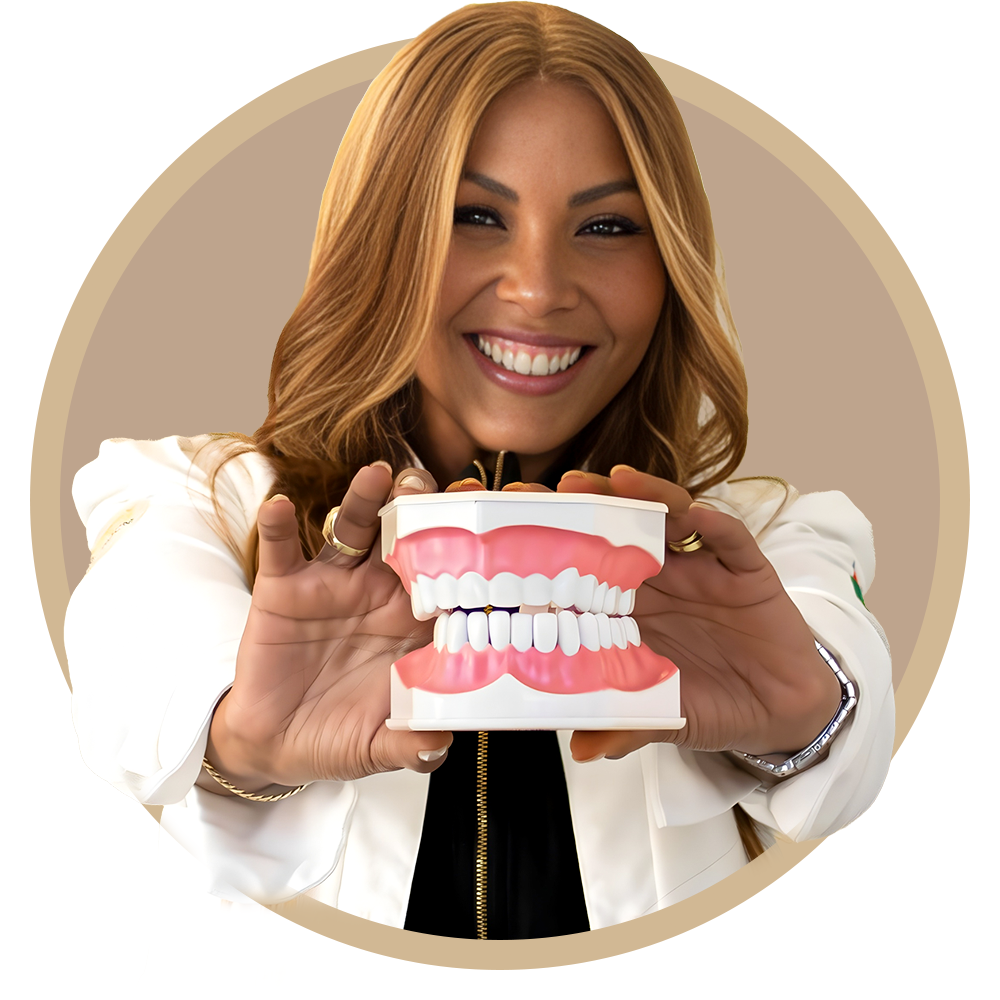

As a dentist in Santo Domingo with more than 20 years of experience, I have learned that silence in the mouth often does not mean health. In fact, most dental diseases begin without pain. That misleading “everything is fine” is what leads many patients to arrive late… when damage has already occurred.
In this article, I want to share, from my clinical experience, the signs I most often see in patients who postponed their visit thinking, “Since it does not hurt, nothing is wrong.” If you recognize any of them, do not think twice. Your smile will thank you.
1. Gums that bleed when you brush
Bleeding when you brush is not normal. It may seem unimportant, but at my clinic in the Dominican Republic, it is one of the most common signs of gingivitis. If it is not treated in time, it can progress to periodontitis and put your teeth at risk.
Many people ignore it because it does not hurt, but what is happening is active inflammation that weakens the structures supporting your teeth. Seeing a little blood every day is like seeing a recurring warning… until it becomes irreversible.
2. Persistent bad breath (even if you use mouthwash)
Chronic bad breath is not always caused by what you ate. In most cases I evaluate as a dentist in Santo Domingo, it is related to hidden oral infections, accumulated tartar, periodontal pockets, or even deep cavities.
Using mouthwash or chewing gum only disguises the problem. If you notice that bad breath keeps returning, it is time for a complete evaluation. It may be an early sign of something bigger.
3. Teeth that look longer
Many patients tell me, “Doctor, I feel like my teeth have grown.” What is actually happening is gum recession. And it is one of the most overlooked signs.
When gums recede, they expose sensitive areas of the tooth, encouraging root cavities, sensitivity to cold, and loss of support. At our dental clinic in Santo Domingo, we evaluate this recession to prevent it from progressing.
4. Changes in your bite or a feeling that your teeth are moving
If you feel your teeth no longer fit together as they used to, or that a tooth moves slightly when you bite something, pay attention. It could be the beginning of tooth mobility caused by bone loss, bite problems, or bruxism.
The most worrying thing is that many people notice it late, when the tooth is already compromised. In my practice as a dentist in the Dominican Republic, I have been able to save teeth with timely treatment. But when it is ignored, the outcome is often extraction.
5. Sensitivity to cold or heat (without a visible cavity)
That uncomfortable twinge when drinking something cold or hot may be an early sign of tooth wear, gum recession, or cracks in the enamel. A cavity is not always visible, but damage is already progressing.
Sensitivity is a warning from your body, and as a dentist in the Distrito Nacional, I recommend not waiting until it becomes real pain. Often, simple treatment at the right time prevents more complex restorations.
Why should you have an evaluation even if you feel nothing?
At our dental clinic in Santo Domingo, we have developed comprehensive diagnostic protocols to detect these silent signs. Because we believe in prevention as a tool to keep your health and your smile at their best.
I have regular checkups myself. And I always tell my patients: modern dentistry is not just about solving problems, but preventing them.
Get a complete dental evaluation today. Schedule your appointment with our team in Santo Domingo. Find out whether your mouth is sending signals before it is too late. Because caring for your smile should not wait until it hurts.
Educational notice: this content provides general information and does not replace an individual dental evaluation. Diagnosis and treatment should be determined after a professional assessment.


Comments