


Tooth Sensitivity: A Wake-Up Call for Your Oral Health
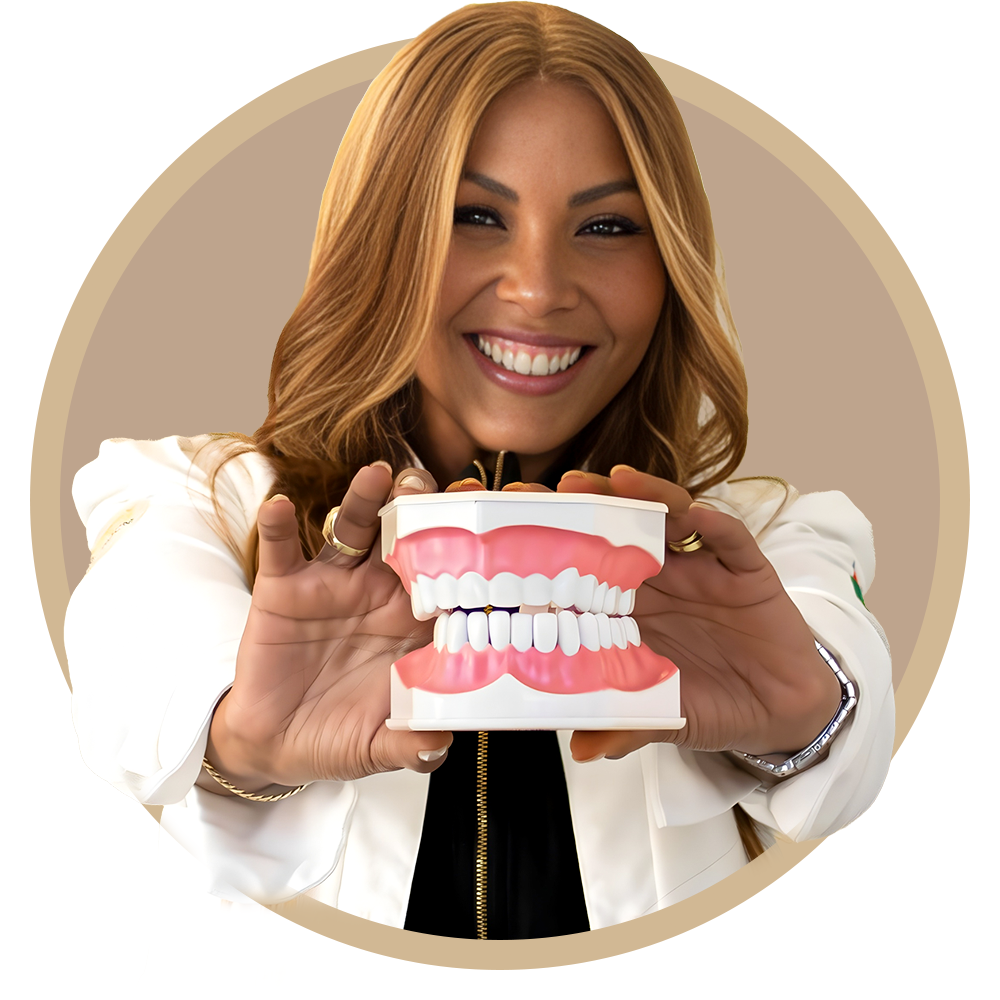
It rarely starts with severe pain. It starts with a sip of cold water. Or the first hot coffee of the day. A brief “electric shock.” Uncomfortable. And almost always ignored. As a dentist, I have seen many patients normalize that feeling. “It's sensitivity,” they tell me. But the truth is different: tooth sensitivity does not appear without a reason.
Sensitivity: A Symptom, Not a Disease
A healthy, well-protected tooth should not hurt in response to cold or heat. When it hurts, something has changed. It may be minimal. It may be silent. But it is never random. Tooth sensitivity is a sign that something is not right in your mouth. Ignoring it can lead to more serious problems.
Enamel: The Barrier We Lose Without Noticing
Enamel is the hardest layer in the human body. But it is not invincible. I see it wear down every day because of:
Bruxism (clenching or grinding teeth)
Brushing excessively hard
Abrasive toothpastes
Habits accumulated over years
When enamel thins, the thermal stimulus travels directly toward more sensitive areas of the tooth. And the body responds with pain.
Receding Gums: Exposed Roots and Increased Sensitivity
Often the tooth is not the problem. The gum is. When the gum recedes, it exposes the root. And the root has no enamel. That is why cold hurts more. That is why heat feels sharp. And that is why this sensitivity often becomes persistent if left untreated.
The Importance of Gum Health
Gums are fundamental to dental health. If they are not cared for, they can cause bigger problems. Gum recession not only causes pain but can also lead to tooth loss. It is vital to pay attention to any change in your gum health.
Small Cavities: Silent Warnings You Should Not Ignore
Not all cavities are visible. Nor do they all hurt when chewing. Some appear only as:
Localized sensitivity
Brief discomfort
Pain from cold that disappears quickly
That is often the first warning before the nerve becomes involved. Regular checkups with your dentist are crucial to detect cavities at an early stage.
Old Fillings: A Problem That Can Go Unnoticed
A filling does not last forever. Over time, it can become detached, develop microleakage, or fracture. When that happens:
Cold gets in
Heat gets in
Bacteria get in
And the patient feels “sensitivity” in a tooth they believe is healthy. Having your fillings checked regularly is essential to avoid complications.
When It Is No Longer Sensitivity: Warning Signs
There are clear warning signs:
Pain lasting more than a few seconds
Discomfort that increases with heat
Spontaneous pain, even without eating
Pain at night
At that point, the nerve is inflamed. And time stops working in your favor. Do not wait until the pain becomes unbearable. Act in time.
Do Toothpastes for Sensitive Teeth Help?
Yes… but only temporarily. They block the stimulus but do not correct the cause. That is why many patients feel relief for weeks… until the problem returns more strongly. It is important to understand that these toothpastes are only a temporary solution.
The Difference Between Timely Treatment and Regret
When action is taken early, solutions are often simple:
Dental cleaning
Sealing
Adjusting habits
Nighttime protection
When it is ignored, the path changes:
Deep fillings
Nerve treatments
More invasive procedures
The difference is not the pain. It is when you decide to get evaluated. Do not underestimate the importance of a regular dental consultation.
Listen to the Tooth Before It Screams: Practical Advice
The mouth gives warnings before becoming seriously ill. Cold and heat are its earliest language. Ignoring it is a decision. Addressing it is, too. Dental health is a key aspect of your overall well-being. Do not let tooth sensitivity become a bigger problem.
Conclusion: Prevention Is the Key
Tooth sensitivity is a warning you should not ignore. Pay attention to the signals your body sends you. Maintain good oral hygiene and visit your dentist regularly. Dr. Sabrinsky Flores is here to help you keep your smile beautiful and healthy. Remember, prevention is the best medicine.
Educational notice: this content provides general information and does not replace an individual dental evaluation. Diagnosis and treatment should be determined after a professional assessment.


Comments