


Do you grind your teeth while sleeping? Your mouth could be paying the price
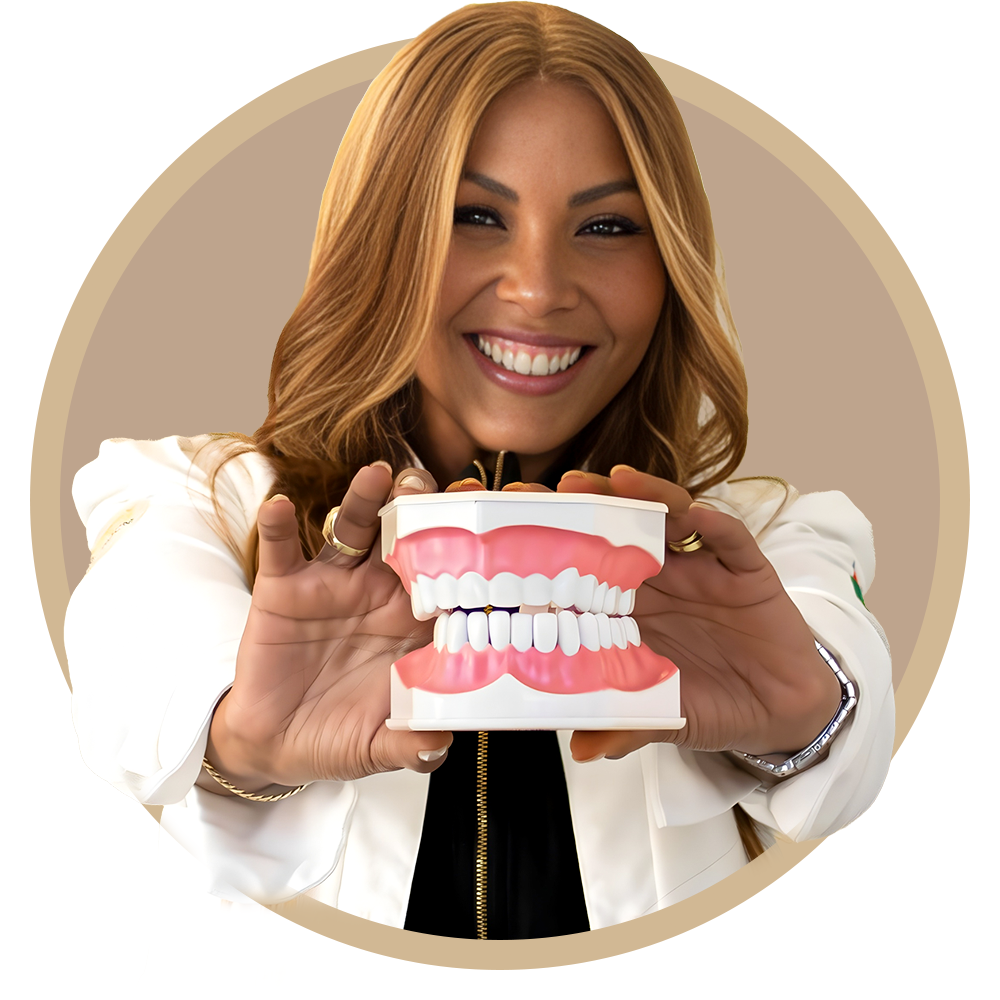

There is a phrase I hear very often in consultations, especially from young adults:“Doctor, I don't know what's happening to me. I sleep but wake up tired, with jaw pain and sometimes a headache.”
When I start examining their mouth, I almost always find the same signs: worn teeth, tense muscles, and an overloaded jaw. Many of them did not know that they grind their teeth while sleeping. And what is most concerning is that the damage occurs silently, night after night.
Today I want to explain what dental bruxismis, why it is so closely related to stress and anxiety, and what we can do to protect your smile before the damage becomes greater.
What is sleep bruxism?
Sleep bruxism is the involuntary habit of clenching or grinding our teeth while we sleep. Unlike daytime bruxism, which some people can control, sleep bruxism occurs without the patient being aware of it.
In consultations, I see people who exert enormous force on their teeth at night, far greater than what we use when chewing. That constant pressure eventually takes its toll.
Signs that you could be grinding your teeth
Often the patient does not realize it until the damage is already visible. These are the most common signs I identify in consultations:
Jaw pain upon waking
A feeling of stiffness or fatigue in the jaw
Headache, especially around the temples
Worn, flat, or shorter teeth
Tooth sensitivity without cavities
Clicking or discomfort when opening the mouth
Neck and shoulder pain
These symptoms can occur with bruxism, but they also have other causes. A dental evaluation helps identify the source.
Bruxism, anxiety, and stress: related factors
Stress and anxiety can be related to bruxism, but they are not the only factors. Family predisposition, some substances, and certain medications can also play a role.
I frequently see:
Young professionals under considerable pressure
People with demanding routines
Patients who “hold everything in” during the day and release it at night
The body looks for an outlet… and often the jaw pays the price.
What happens to your mouth if you do not treat bruxism?
When bruxism is not treated in time, it can cause:
Severe tooth wear
Tooth fractures
Chronic jaw pain
Temporomandibular joint (TMJ) problems
Intense tooth sensitivity
Tooth mobility in advanced cases
I have seen patients arrive when there are already fractures or loss of tooth structure that could have been avoided with an early diagnosis.
Real treatments for bruxism (what actually works)
1. Custom occlusal splints
Custom occlusal splints are an option for protecting teeth. The dentist must assess their indication, fit, and follow-up. These splints:
Separate teeth to limit damage from contact between them
May reduce muscle activity associated with clenching
Do not guarantee relief from jaw pain
Require a checkup if they cause discomfort
Not all splints are the same. A poorly made splint can worsen the problem, which is why it is essential for it to be recommended by a dentist in Santo Domingo with experience.
2. Managing stress and anxiety
Bruxism treatment does not end in the mouth. I often recommend:
Relaxation techniques
Physical exercise
Changes in sleep habits
In some cases, psychological support
Caring for your emotional health also means caring for your teeth.
3. Dental follow-up
Bruxism requires follow-up. We evaluate:
Tooth wear
Adaptation to the splint
The progression of jaw pain
Every mouth responds differently, which is why treatment should always be personalized.
Frequently asked questions (FAQ)
Can bruxism be cured?
In many cases it can be effectively controlled, although it does not always disappear completely. What matters is preventing tooth damage and chronic pain.
Can grinding your teeth loosen them?
Yes. Over time, excessive pressure can affect the tooth's support and cause tooth mobility.
Does a splint really help?
A splint recommended by a dentist can help protect teeth from damage caused by clenching or grinding. Its effect on pain should be evaluated in each case.
When a patient tells me “doctor, I didn't know I was grinding my teeth”, I know we still have time to prevent bigger problems. Sleep bruxism is more common than you might imagine, especially among stressed and young people.
If you wake up with jaw pain, notice wear on your teeth, or suspect you are grinding your teeth, do not ignore it.
👉 Schedule your evaluation at our dental clinic in Santo Domingo.Together we can protect your smile, relieve pain, and prevent long-term consequences.
Your mouth needs rest too…
Educational notice: this content provides general information and does not replace an individual dental evaluation. Diagnosis and treatment should be determined after a professional assessment.


Comments