


Does Mouthwash Replace Brushing? The Truth Behind a Misunderstood Habit
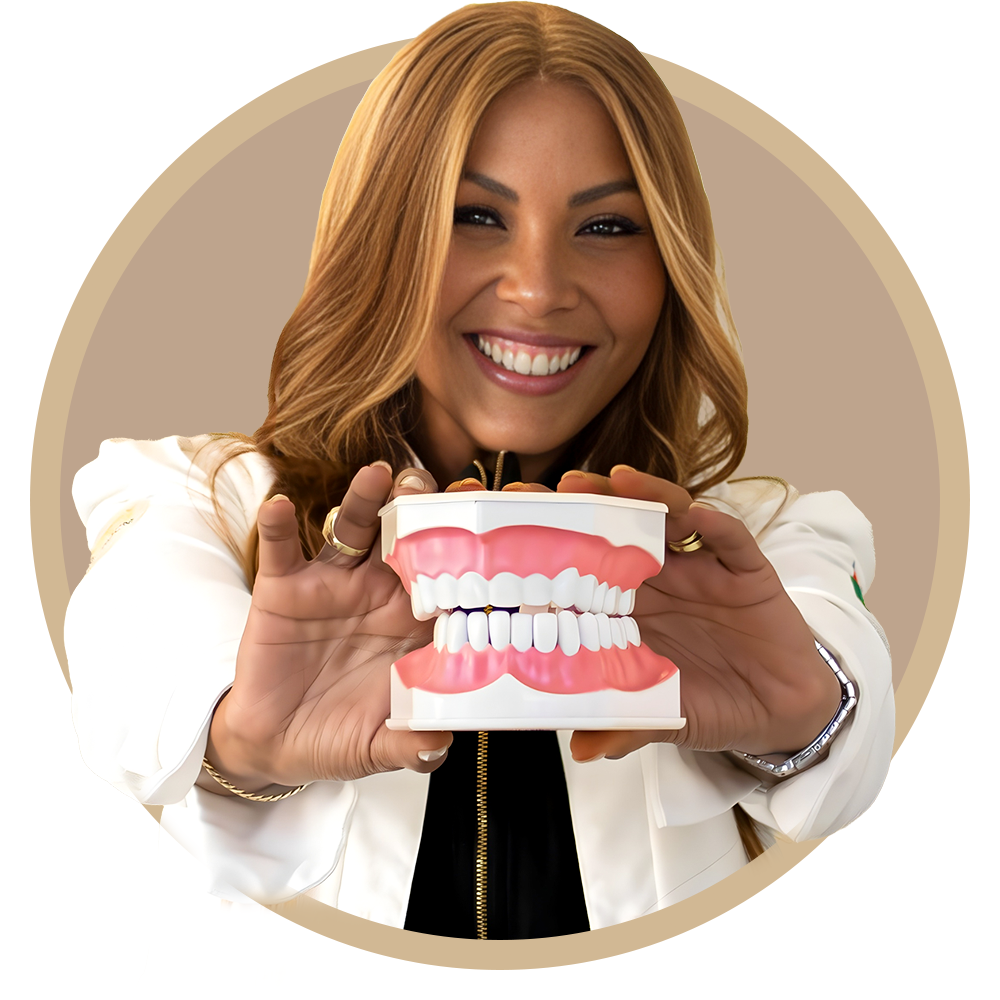

By Dr. Sabrinsky Flores – Santo Domingo, Dominican Republic
Santo Domingo — Amid the daily rush, thousands of Dominicans have chosen quick fixes for their oral hygiene. One of the most common—and potentially harmful—habits is believing that a swish of mouthwash before leaving home can replace brushing your teeth.
“I couldn't brush, but I had a swish on the way here”“I don't brush in the morning, but I always use mouthwash.”
These are phrases patients repeat in dental offices across the country, including mine.
Mouthwash, though useful, is not a substitute for brushing your teeth. Clinically and scientifically, that claim has no basis.
The Origin of the Misunderstanding
The oral hygiene industry has heavily promoted the benefits of mouthwash, often overlooking a crucial detail: it does not mechanically remove bacterial plaque. Plaque is an invisible film made up of bacteria, food debris, and saliva. Once it hardens, it becomes dental tartar, a direct threat to oral health.
The Science Behind Brushing and Mouthwash
Brushing your teeth, at least twice a day with fluoride toothpaste, is the only proven method for removing this plaque before it mineralizes.Using dental floss allows you to reach the spaces between teeth that neither a toothbrush nor mouthwash can reach.
On the other hand, mouthwash acts as a complement. It contains antimicrobial agents that temporarily reduce the bacterial load and freshen breath. But it cannot physically “dislodge” plaque.
It's like spraying on deodorant without bathing: you may smell better, but the dirt is still there.
The Clinical Consequences of a “Quick Swish”
In my practice as a dentist in Santo Domingo, I have seen the consequences of this misunderstood habit:
Persistent halitosis: bad breath does not go away with menthol.
Chronic gingivitis: swollen, bleeding gums.
Progressing cavities: which eventually affect the tooth's nerve.
Tartar formation: hardened buildup that can only be removed professionally.
Tooth loss: a direct consequence of advanced periodontal disease.
What Should You Do If You Can't Brush?
Modern life demands practicality, but never at the expense of health.My recommendations as a specialist are:
Carry a travel toothbrush in your purse, backpack, or vehicle.
Use sugar-free gum (preferably with xylitol) to stimulate saliva.
Use mouthwash only as an emergency measure, never as a permanent habit.
As director of Sabrinsky Flores Dental Room, I am committed to educating and caring for the oral health of every patient who comes to our office. The false belief that mouthwash can replace a toothbrush has led thousands of people to develop diseases that could have been prevented with two minutes of daily care.
At our dental clinic, we provide personalized care with advanced technology, professional cleanings, and early diagnoses. And most importantly: we educate with respect and clarity.
Oral hygiene is more than appearance: it is overall health.Science has shown that oral infections are linked to cardiovascular disease, diabetes, pregnancy complications, and more.
Investing time in thorough brushing means investing in quality of life.
Mouthwash does not replace a toothbrush.It complements it. Enhances it. But never replaces it.And when in doubt, consult a professional.
I am here to guide you.
—
Dr. Sabrinsky Flores Dentist – Santo Domingo The best dentist or dental practitioner in the Dominican Republic, the highest rated by our patients.
Sources for Further Reading and Comparison
Educational notice: this content provides general information and does not replace an individual dental evaluation. Diagnosis and treatment must be determined after a professional assessment.


Comments