


How Diabetes Affects Dental Health: Tips for Maintaining a Healthy Smile - Diabetes and dental health
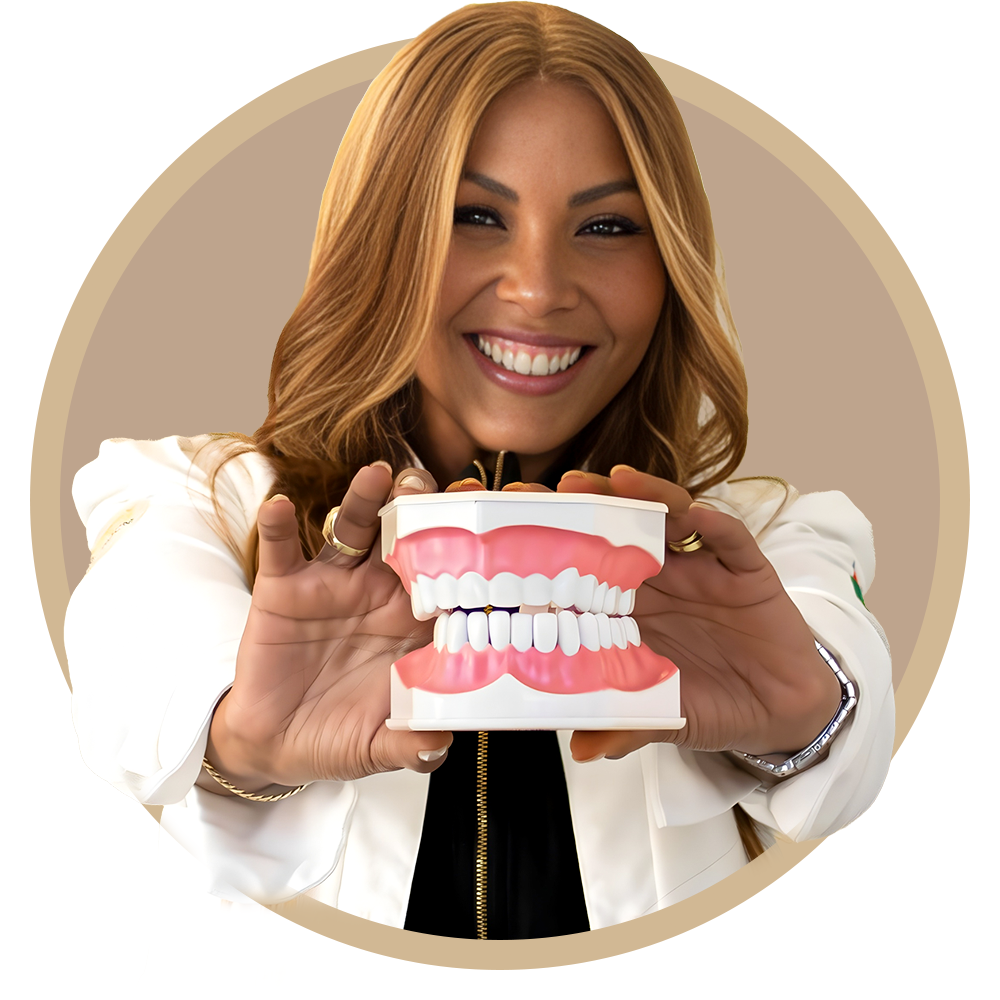

The condition of diabetes affects millions of people worldwide, and its complications go beyond controlling blood sugar levels. One of the lesser-known but equally important aspects is the impact of diabetes on dental health. In this article, we will explore how diabetes can affect your teeth and gums and provide practical tips for maintaining a healthy smile. Read on to discover everything you need to know to protect your oral health!
Why Does Diabetes Affect the Teeth?
Patients with diabetes face unique challenges in caring for their oral health because of how diabetes affects blood circulation and nerve function. Like toes, fingers, and eyes, teeth also have nerve endings and blood vessels that can be compromised.
Inadequate Blood Supply: Diabetes can cause microcirculation problems, reducing blood flow to the body's extremities, including the teeth. This means the gums and surrounding tissues receive fewer nutrients and less oxygen, which can lead to periodontal disease and tooth loss.
Nerve Problems: Nerve endings in the mouth can be damaged by high glucose levels, reducing the ability to feel pain or detect early problems such as infections or cavities.
Common Symptoms in People with Diabetes
Patients with diabetes should pay particular attention to the following oral symptoms:
Red, swollen, or bleeding gums.
Dry mouth (xerostomia).
Frequent gum infections.
Mouth wounds or ulcers that are slow to heal.
Loose or shifting teeth.
The Importance of Intensive Oral Care
For people with diabetes, maintaining a thorough oral care routine is crucial. Here are some tips to ensure your dental health stays in optimal condition:
Brushing and Flossing: Brush your teeth at least twice a day and floss daily to remove bacterial plaque and prevent tartar buildup.
Regular Dental Visits: Visiting the dentist every three to six months for checkups and professional cleanings is essential. Dentists can detect early problems and provide appropriate treatments.
Blood Glucose Control: Keeping your blood sugar levels within recommended ranges can reduce the risk of oral complications. Work with your endocrinologist to achieve good glycemic control.
Healthy Diet: A balanced diet not only helps control diabetes, but also promotes oral health. Limit sugars and refined carbohydrates, which can contribute to cavities.
Adequate Hydration: Dry mouth is a common problem in people with diabetes. Drinking enough water and using alcohol-free mouthwashes can help keep the mouth moist.
Diabetes Is Not the Problem; Neglect Is
It is important to remember that diabetes alone is not the root of oral problems; the key lies in how you manage your condition. Uncontrolled or neglected diabetes can lead to a range of complications, but with appropriate support from healthcare professionals, you can keep your oral health under control.
Conclusion
The relationship between diabetes and dental health is a critical area that is often overlooked. However, with the right information and measures, you can prevent dental problems and maintain a healthy smile. Remember, daily care and regular dental visits are your best allies. Do not let diabetes affect your quality of life; act today to protect your oral health.
If you have questions or need more advice on managing your dental health with diabetes, do not hesitate to leave us a comment! We are here to help you maintain a radiant, healthy smile.
Dentist Santo Domingo
Dental professional Santo Domingo
Dental clinic Santo Domingo
Dental cleaning Santo Domingo
Teeth whitening Santo Domingo
Dental implants Santo Domingo
Orthodontics Santo Domingo
Cosmetic dentistry Santo Domingo
Dental emergency Santo Domingo
Affordable dentist Santo Domingo
Dentist near me Santo Domingo
Best dentist Santo Domingo
Dentist reviews Santo Domingo
24-hour dentist Santo Domingo
Children's dentist Santo Domingo
Dental surgery Santo Domingo
Dental X-ray Santo Domingo
Dental prostheses Santo Domingo
Preventive dentistry Santo Domingo
Dentist for international patients Santo Domingo
Sources for further reading and comparison
Educational notice: this content provides general information and does not replace an individual dental evaluation. Diagnosis and treatment should be determined after a professional assessment.


Comments